

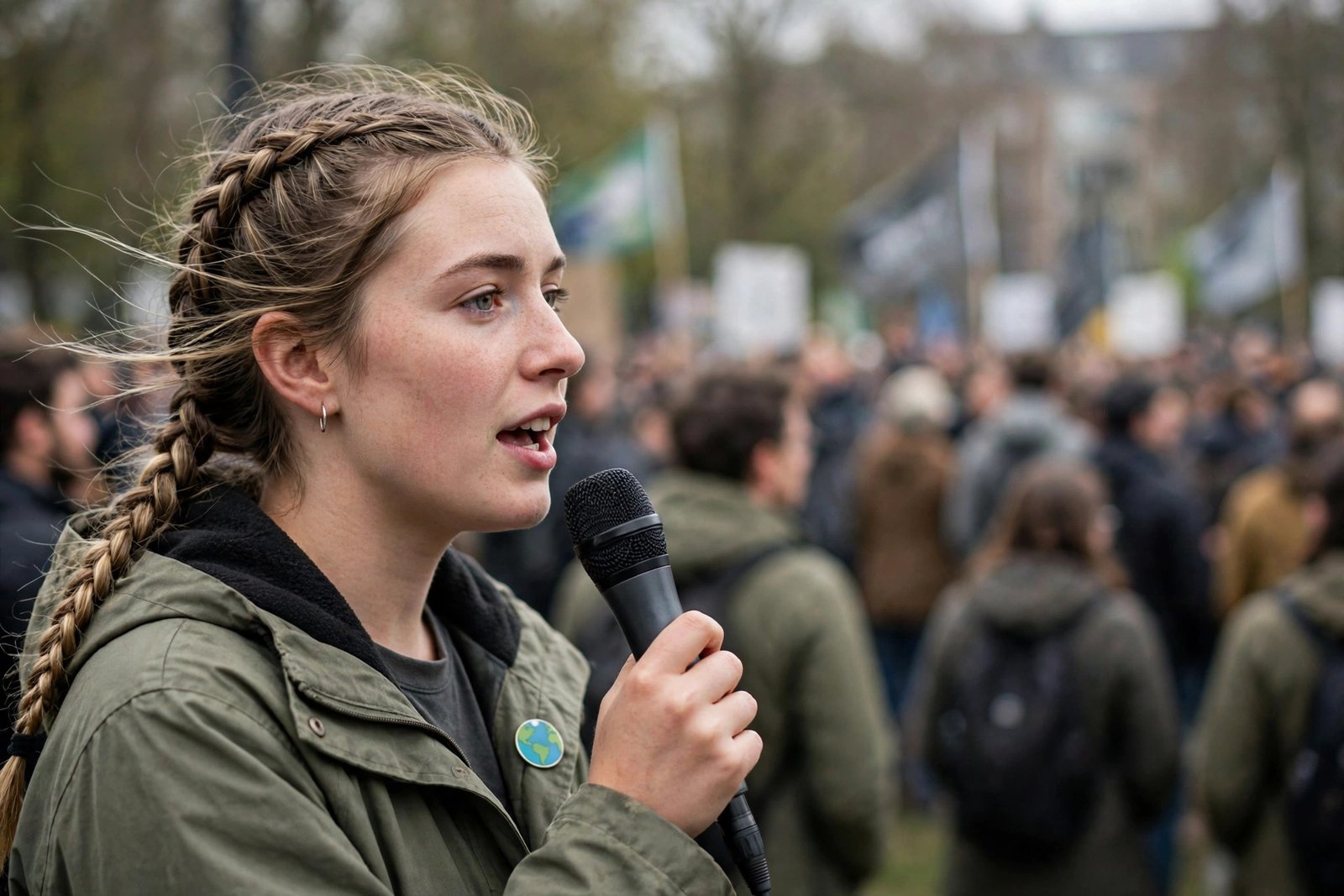
Greta Thunberg remains one of the most recognisable climate activists in the world. From a lone school strike outside the Swedish parliament in 2018, she became the face of a global youth climate movement — and in recent years her activism has widened to include humanitarian causes, keeping her firmly in the headlines.
From School Strike to Global Movement
Thunberg began her solo school strike for climate action in August 2018, at the age of 15. Within months, the Fridays for Future movement she inspired was drawing millions of young people onto the streets in cities around the world. Her direct, uncompromising speeches to world leaders — including her “how dare you” address at the United Nations in 2019 — made her a household name.
She has since sailed across the Atlantic to attend climate summits, written books on the climate crisis, and continued to take part in protests rather than settling into a purely media role. That hands-on approach has kept her activism visible long after the first wave of school strikes.
Recent Activism and Headlines
In recent years Thunberg’s focus has broadened beyond climate policy. She has spoken out on humanitarian issues and taken part in aid flotilla efforts, drawing both support and criticism. Her willingness to join direct-action campaigns — and to face arrest and detention for them — has kept her at the centre of public debate about what activism should look like.
Her critics accuse her of moving beyond climate science into wider politics; her supporters say the climate crisis and humanitarian crises are inseparable. Either way, she remains one of the few activists whose actions reliably make international news.
What She Is Doing Now
Thunberg continues to campaign, write and speak on climate issues, while maintaining a strong social media presence where she shares updates from protests and campaigns directly with her followers. She has also remained a vocal critic of what she calls empty climate promises from governments and corporations, arguing that targets without action mean little.
As climate summits and extreme weather events keep the issue in the news, Thunberg’s voice continues to be sought by media around the world.
Her Books and Public Voice
Thunberg has also put her message into print. The Climate Book, published in 2022, brought together essays from scientists and writers alongside her own commentary, and her earlier collection of speeches, No One Is Too Small to Make a Difference, became an international bestseller. Both books underline her central argument: the science is clear, and what is missing is political will.
She remains active on social media, where she shares footage from protests and campaigns and speaks directly to millions of followers without going through traditional media. That direct line to the public is part of why she stays relevant — she does not rely on others to carry her message.
Her influence on young people is also hard to overstate. A generation of climate activists, from school strikers to young politicians, point to her example as the reason they got involved. Whatever the future of the climate movement, her role in starting it is secure.
Why She Still Matters
Few activists have sustained global attention for as long as Thunberg has. She helped push climate change to the top of the political agenda for a generation, and her shift into broader humanitarian campaigning shows an activist still evolving. Whether you agree with her methods or not, Greta Thunberg remains a defining public figure of her generation.
For more celebrity news and updates, visit the Celebrity Hub homepage.
The Bottom Line
Greta Thunberg’s latest news continues a pattern: direct action, outspoken criticism of leaders, and a willingness to put herself on the front line of the causes she supports. From school strikes to flotillas, she remains one of the world’s most watched activists.