

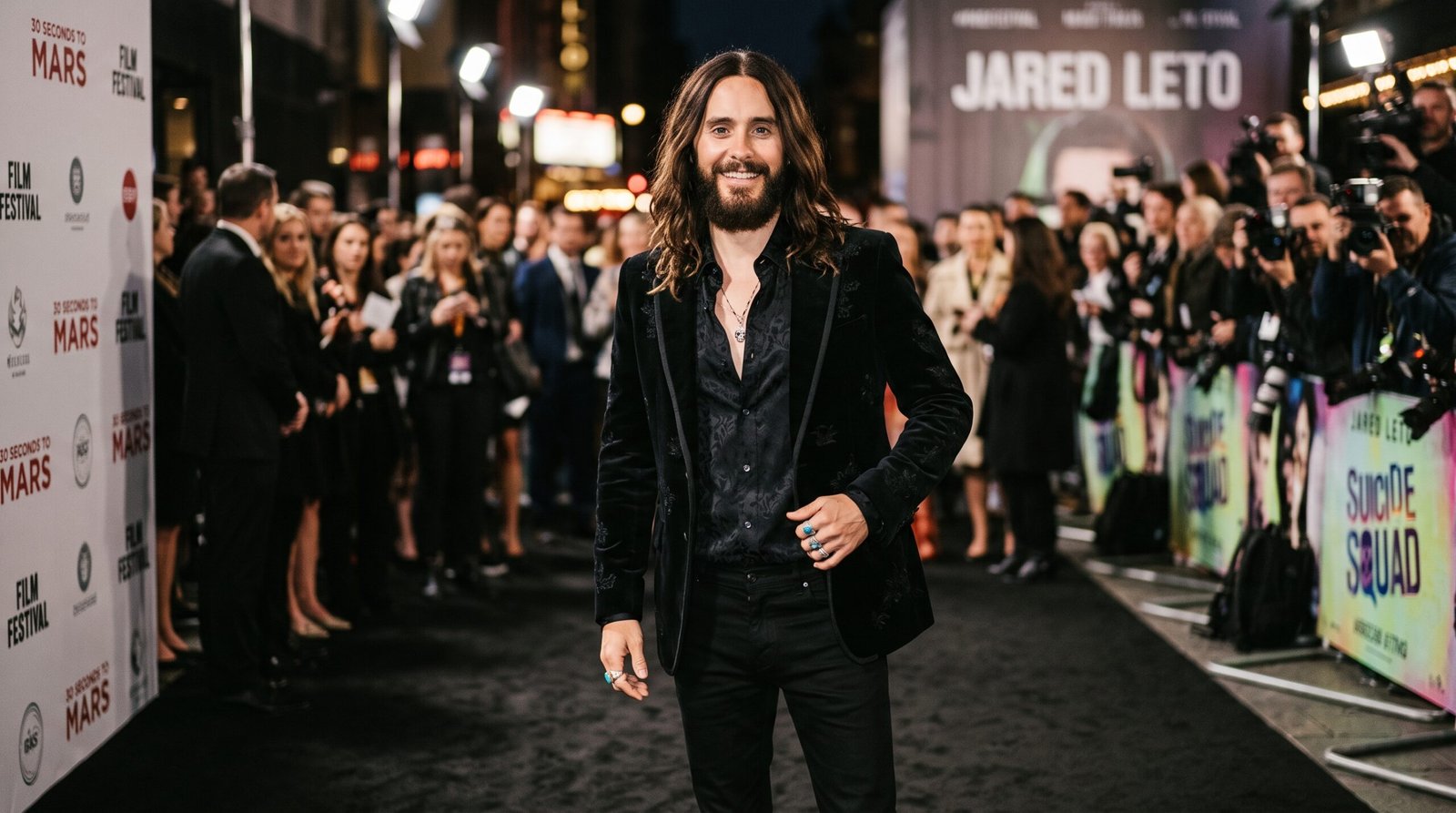
Few supporting roles in modern cinema have generated as much lasting curiosity as the jared leto fight club connection. Long before he became an Oscar winner and rock frontman, Leto took on a small but unforgettable part in David Fincher’s 1999 cult classic. This article breaks down exactly who he played, why the casting mattered, and how that performance still shapes conversations about the film today.
Who Did Jared Leto Play in Fight Club?
In Fight Club, Jared Leto portrayed Angel Face, a young and impossibly good-looking member of the underground fight club who quickly becomes a favorite of Tyler Durden. His boyish charm and effortless confidence made him stand out among the film’s grittier, more battered characters. That contrast was intentional, and it set up one of the movie’s most memorable turning points.
The jared leto fight club character isn’t given much backstory, yet his presence carries real narrative weight. Angel Face represents youth, admiration, and an unspoken threat to the dynamic between Tyler and the unnamed narrator. Fans searching for details on this role are usually trying to understand exactly why such a minor character left such a major impression.
The Casting Story Behind Jared Leto’s Role
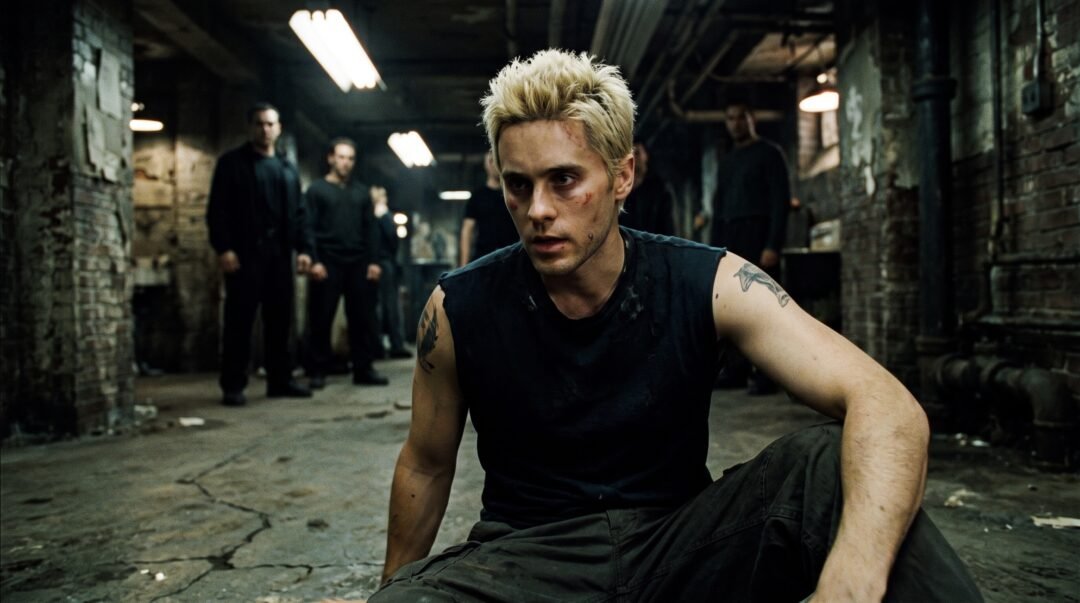
David Fincher was famously meticulous about casting, and the decision to bring Jared Leto into Fight Club wasn’t accidental. At the time, Leto was best known for television work and a handful of smaller film roles, making this a notable step up in visibility. His look, described repeatedly by critics as strikingly handsome, was central to why he fit the part so well.
Casting a conventionally attractive actor as Angel Face wasn’t just an aesthetic choice. It reinforced the film’s commentary on masculinity, image, and self-destruction, since the story eventually turns that beauty into a target. The jared leto fight club casting decision has since been referenced in countless retrospectives about how Fincher built contrast into every corner of the film.
Angel Face: Character Analysis and Symbolism
Angel Face functions almost like a mirror for the narrator’s own insecurities. He is everything the narrator secretly wishes he could be: confident, admired, and effortlessly attractive. That admiration curdles into jealousy, and it’s this shift that fuels one of the film’s most disturbing scenes.
Understanding this dynamic is key to understanding the broader jared leto fight club discussion online. Angel Face isn’t simply a side character; he’s a symbol of everything Tyler Durden claims to reject, yet secretly envies. That irony is part of what makes the character endure in film analysis courses and online discussions decades later.
The Iconic Beating Scene Explained
The scene where Tyler Durden brutally beats Angel Face without provocation is one of the most quoted and dissected moments in the film. It happens suddenly, almost without warning, and shocks viewers precisely because Angel Face has done nothing to deserve it. The violence isn’t about punishment; it’s about controlling beauty and eliminating a perceived threat.
This sequence is often the first thing people recall when searching for jared leto fight club content, since it’s both visually intense and thematically loaded. It reveals Tyler’s own insecurities about masculinity and desirability, using Angel Face as an outlet for something far more personal than the plot initially suggests. The scene remains a reference point in discussions about toxic masculinity in 1990s film.
Jared Leto’s Physical Transformation for the Role
To play Angel Face convincingly, Leto had to embody a very specific kind of clean-cut, almost model-like appearance before the character’s transformation. After the beating scene, makeup and prosthetics were used to depict Angel Face’s disfigured face for the remainder of the film. That visual shift needed to feel abrupt and disturbing to match the tone of the story.
Behind the scenes, the production relied on practical effects rather than heavy digital work, which was standard for late-1990s filmmaking. This attention to physical detail is part of why the jared leto fight club sequence still holds up visually today. It’s a reminder of how practical makeup artistry can carry as much emotional impact as any modern special effect.
Themes That Angel Face Helps Illustrate
Fight Club is often summarized as a critique of consumerism and modern masculinity, and Angel Face plays a quiet but important role in that message. His beauty represents a kind of currency, something Tyler both desires and resents in equal measure. Destroying it becomes a twisted assertion of control.
This layered symbolism is exactly why the jared leto fight club storyline continues to generate essays, video breakdowns, and classroom discussions. It shows how even a brief character arc can carry the emotional core of a much larger film. Viewers revisiting the movie often find new meaning in Angel Face’s short but pivotal screen time.
Jared Leto’s Career Before and After Fight Club
Before this film, Leto had built a steady presence in television and independent movies, but Fight Club introduced him to a much wider audience. It arrived at a pivotal point in his career, right before roles in projects like Requiem for a Dream pushed him further into serious dramatic territory. The visibility from this film opened doors that smaller projects hadn’t.
Looking back, the jared leto fight club role is frequently cited as an early example of his willingness to take physically and emotionally demanding parts. That pattern would later define much of his career, from transformative performances to award-winning roles. It’s a useful case study in how a smaller supporting role can still shape an actor’s long-term trajectory.
How Angel Face Compares to Other Fight Club Characters
To understand Angel Face’s place in the story, it helps to see how he stacks up against the film’s other key figures. The table below breaks down core traits, motivations, and narrative function for quick comparison.
| Character | Actor | Role in Story | Core Motivation | Narrative Function |
|---|---|---|---|---|
| The Narrator | Edward Norton | Disillusioned everyman | Escape from emptiness | Audience’s perspective |
| Tyler Durden | Brad Pitt | Anarchic alter ego | Total freedom and control | Catalyst for chaos |
| Marla Singer | Helena Bonham Carter | Emotional wildcard | Connection and validation | Grounding human element |
| Angel Face | Jared Leto | Young club member | Admiration and belonging | Symbol of envied beauty |
| Robert Paulson | Meat Loaf | Support group member | Acceptance and community | Emotional stakes of the group |
This comparison shows how the jared leto fight club role fits within a much larger ensemble built on contrast. Every character reflects a different piece of the film’s fractured commentary on identity, and Angel Face’s position as the “beautiful one” is essential to that structure.
Why This Role Still Resonates With Audiences
Interest in this character has only grown as Fight Club’s cultural footprint has expanded through streaming platforms and renewed critical interest. New generations discovering the film often ask the same questions longtime fans debated for years. Why target Angel Face specifically? What does his fate say about the story’s larger message?
As one film critic put it when reflecting on the movie’s staying power, <cite index=”0-1″>Fight Club endures because “it says true things in a way that seems truly dangerous.”</cite> That danger is exactly what makes moments like the Angel Face beating so hard to forget, and why searches for jared leto fight club content remain steady more than two decades after release.
Common Misconceptions About This Role
Some viewers mistakenly believe Angel Face is a major character with an extended arc, when in reality his screen time is fairly limited. His impact comes from intensity rather than duration, which is a common misunderstanding among casual fans revisiting the film. Others assume the beating scene was purely about jealousy, overlooking the deeper commentary on masculinity and self-image.
Clarifying these details helps put the jared leto fight club storyline into proper context. It’s not about screen time; it’s about symbolic weight. Recognizing that distinction changes how audiences interpret the scene and its place within the film’s broader themes.
Conclusion
The jared leto fight club role proves that a character doesn’t need extensive screen time to leave a lasting impression. Angel Face’s brief but powerful arc captures the film’s core tension between admiration, envy, and self-destruction in just a few scenes. Understanding his purpose adds real depth to how audiences read Fight Club as a whole.
Whether you’re revisiting the movie or discovering it for the first time, this small role offers a surprisingly rich entry point into the film’s themes. It’s a reminder that great filmmaking often hides its most meaningful commentary in the characters we least expect.
Frequently Asked Questions
What role did Jared Leto play in Fight Club?
Jared Leto played Angel Face, a young and attractive member of the underground fight club who becomes the target of Tyler Durden’s aggression.
Why does Tyler Durden beat up Angel Face in Fight Club?
Tyler beats Angel Face out of jealousy and a desire to destroy something he envies, using the jared leto fight club scene to symbolize control over beauty and image.
Was Jared Leto’s Fight Club role a major part in the movie?
No, the jared leto fight club appearance is relatively brief, but it carries significant symbolic weight within the film’s larger themes.
Did Jared Leto do his own makeup effects for the beating scene?
The disfigurement was achieved through practical makeup and prosthetics applied by the film’s effects team, not through digital alteration.
How did the Fight Club role affect Jared Leto’s career?
The film increased his visibility significantly and came shortly before other demanding roles that helped define his reputation as a committed dramatic actor.
Is Angel Face based on a character from the Fight Club novel?
Yes, Angel Face appears in Chuck Palahniuk’s original novel, and the film adaptation kept his core function largely intact.